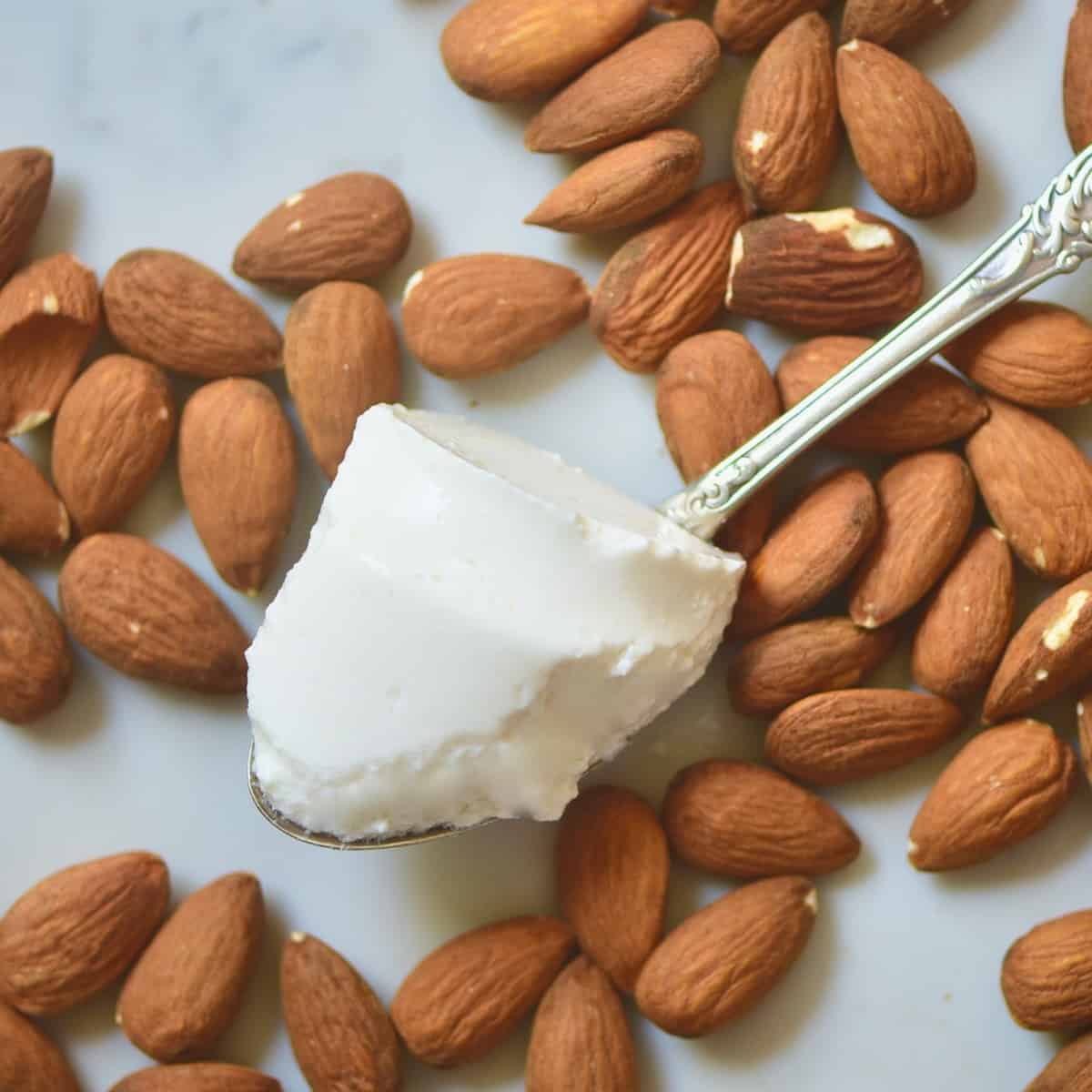
Mastering Thick & Creamy Homemade Dairy-Free Almond Yogurt
For anyone navigating the world of dairy-free diets, the quest for a truly thick, creamy, and satisfying yogurt can often feel like searching for a culinary unicorn. Store-bought dairy-free options, while convenient, frequently fall short in texture, often contain unwanted additives, or come with a hefty price tag. But what if we told you that the secret to the perfect, probiotic-rich, and utterly delicious homemade dairy free almond yogurt is not only achievable but surprisingly straightforward? This comprehensive guide will walk you through every step, demystifying the process and empowering you to create a luscious almond yogurt that rivals any dairy counterpart.Why Homemade Almond Yogurt Reigns Supreme (and Beats the Store)
The allure of making your own dairy-free yogurt extends far beyond simple cost savings. Crafting homemade dairy free almond yogurt grants you unparalleled control over ingredients, ensuring a product free from stabilizers, emulsifiers, artificial flavors, and excessive added sugars that often lurk in commercial brands. You dictate the level of sweetness, choose the quality of your almonds, and enjoy the peace of mind knowing exactly what nourishes your body. Furthermore, homemade versions are packed with beneficial live cultures, making them a fantastic source of probiotics that support gut health. While many store-bought options are fortified with probiotics, the freshness and vitality of cultures in a freshly made batch are often superior. It's a truly clean-eating alternative for those with lactose intolerance, soy allergies, or simply those seeking a healthier, plant-based lifestyle. If you're looking for a simple, foundational recipe, check out The Ultimate 4-Ingredient Dairy-Free Almond Yogurt Recipe.The Foundation: Why Homemade Almond Milk is Non-Negotiable
This is perhaps the most critical insight for success: attempting to make almond yogurt with store-bought almond milk is a recipe for frustration. Commercial almond milks are formulated with various gums, thickeners, and preservatives that interfere with the natural fermentation process and prevent the yogurt from achieving that coveted thick texture. These additives, while designed to create a smooth beverage, actively hinder the thickening action of cultures and introduced thickeners in yogurt-making. The good news? Making your own almond milk is incredibly simple and requires just two ingredients: almonds and water.Quick Guide to Homemade Almond Milk:
- Soak: Soak 1 cup of raw almonds in water overnight, or for at least 8 hours. This softens them and aids in digestion.
- Blend: Drain and rinse the soaked almonds. Blend them with 3-4 cups of fresh filtered water in a high-speed blender until creamy.
- Strain: Pour the mixture through a nut milk bag or fine-mesh sieve lined with cheesecloth into a large bowl. Squeeze firmly to extract all the milk.
- Chill: Store your fresh almond milk in an airtight container in the refrigerator for up to 3-4 days. Use this fresh, additive-free milk for your yogurt!
This simple step ensures your base is pure, allowing the yogurt cultures and thickeners to do their job effectively. It truly makes all the difference in achieving that desired creamy consistency.
Cracking the Code: The Art of Thickening Plant-Based Yogurt
Unlike dairy milk, which contains casein proteins that coagulate and thicken during fermentation, almond milk requires a little help to achieve a spoonable texture. This is where thickeners come into play. After extensive experimentation by many home yogurt makers, two primary methods have emerged as highly effective for homemade dairy free almond yogurt:Method 1: The Agar-Agar & Arrowroot Duo (Our Preferred Method)
- Agar-Agar: A natural gelatinous substance derived from seaweed, agar-agar is a powerful plant-based gelling agent. It sets much firmer than gelatin and is completely vegan. When heated and then cooled, it forms a stable gel.
- Arrowroot Powder: A starch derived from the arrowroot plant, this acts as a complementary thickener, adding a silky, smooth mouthfeel without creating a gummy texture. It's excellent for thickening at lower temperatures.
How they work together: Agar-agar provides the primary structure and firmness, while arrowroot powder contributes to the luxurious, creamy texture, preventing the yogurt from becoming too brittle or jelly-like. This combination consistently yields a thick, smooth, and pleasant consistency that mimics traditional dairy yogurt very well.
Method 2: Cornstarch & Xanthan Gum
- Cornstarch: A common household thickener, cornstarch works by absorbing liquid and swelling when heated, creating a thicker consistency. It provides a good base thickness.
- Xanthan Gum: A polysaccharide created by the fermentation of sugar by the bacterium *Xanthomonas campestris*. It’s an incredibly potent thickening agent, even in small amounts.
Considerations with Xanthan Gum: While highly effective at thickening, xanthan gum can be a point of contention for some who prefer to avoid gums and additives, even in homemade recipes. It's often found in commercial products as a stabilizer. However, when used sparingly (literally a tiny pinch), it can dramatically improve the texture of plant-based yogurts. For those who prioritize texture above all else and are comfortable with its minimal use, it offers a reliable solution. Always ensure you're using a high-quality, pure xanthan gum if opting for this method. The beauty of homemade is that you control the narrative – if you want to exclude it, Method 1 is your champion.
Your Step-by-Step Guide to Creamy Perfection
Ready to dive in? Here’s how to create your ultimate homemade dairy free almond yogurt:Ingredients (The 4 Essentials + Thickeners):
- 4 cups (approx. 1 liter) fresh, homemade unsweetened almond milk
- 2 tablespoons (or as per package instructions) a high-quality vegan yogurt starter culture (either a freeze-dried probiotic powder designed for yogurt or 2-3 tablespoons of an existing plain, unsweetened dairy-free yogurt with live active cultures – ensure it contains *S. thermophilus* and *L. bulgaricus*). For truly probiotic-rich results, consider Homemade Almond Yogurt: Probiotic-Rich & Preservative-Free.
- For Method 1 (Agar-Agar & Arrowroot): 1 teaspoon agar-agar powder + 2 tablespoons arrowroot powder
- For Method 2 (Cornstarch & Xanthan Gum): 3 tablespoons cornstarch + ¼ teaspoon xanthan gum (start with less and add if needed)
- Optional: 1-2 tablespoons maple syrup or sweetener of choice (added *after* fermentation)
Equipment:
- Large saucepan
- Whisk
- Thermometer (candy or instant-read)
- Clean glass jars or containers
- Yogurt maker, Instant Pot with yogurt function, or oven with pilot light (for consistent temperature)
The Process:
- Heat the Almond Milk: Pour the homemade almond milk into a saucepan.
- Incorporate Thickeners (Method 1): If using agar-agar and arrowroot, whisk them into the cold almond milk until fully dissolved. Heat the mixture over medium heat, whisking constantly, until it reaches a gentle boil and thickens slightly (around 180-190°F / 82-88°C). Simmer for 1-2 minutes to activate the agar.
- Incorporate Thickeners (Method 2): If using cornstarch, whisk it into a small amount of cold almond milk to create a slurry, then add it to the remaining milk in the saucepan. Heat over medium heat, whisking constantly, until it thickens to a pudding-like consistency (around 180-190°F / 82-88°C). Remove from heat. If adding xanthan gum, wait until the milk has cooled slightly (around 110-115°F / 43-46°C) and whisk it in *very slowly* to avoid clumps.
- Cool Down: Remove the thickened almond milk from the heat. Allow it to cool to approximately 110-115°F (43-46°C). This is the ideal temperature for the starter cultures. If it's too hot, it will kill the probiotics; too cool, and they won't activate.
- Add the Starter: Once cooled, gently whisk in your vegan yogurt starter culture until thoroughly combined. If using probiotic powder, follow package instructions for rehydration if necessary.
- Ferment: Pour the inoculated almond milk into your clean glass jars. Place the jars in your yogurt maker, Instant Pot (using the yogurt setting), or a warm spot (like an oven with the light on, or a cooler with a hot water bottle) to maintain a consistent temperature of 100-115°F (38-46°C). Ferment for 8-12 hours, or until the yogurt reaches your desired tanginess and thickness. The longer it ferments, the tangier it will become.
- Chill & Thicken Further: Once fermented, remove the jars and let them cool to room temperature. Then, transfer them to the refrigerator and chill for at least 6-8 hours. This chilling period is crucial, especially for agar-agar, as it will continue to thicken and set to its final creamy consistency.
- Sweeten & Enjoy: After chilling, stir in any optional sweeteners (like maple syrup or agave) or flavorings (vanilla extract, fruit purées) just before serving.
