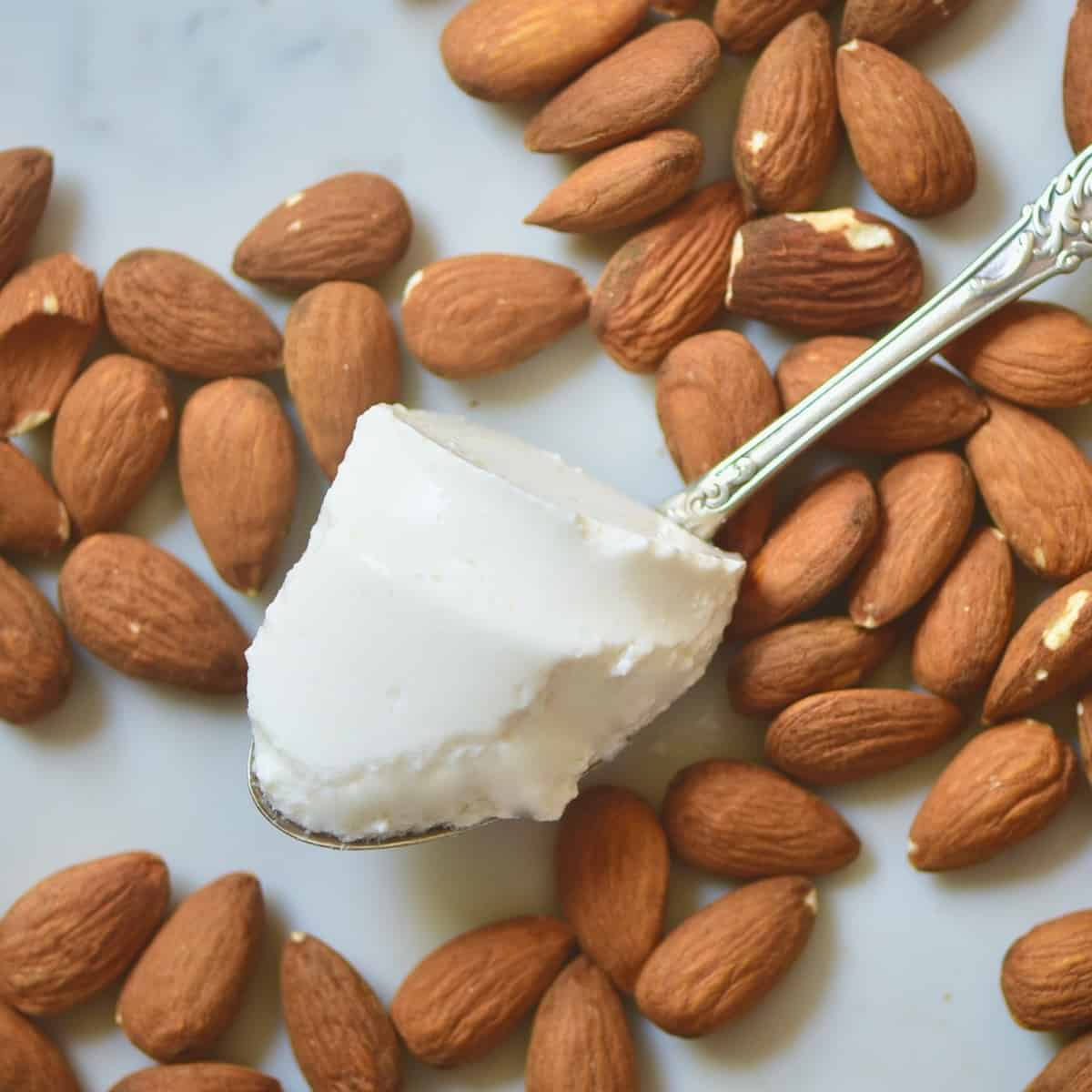
Unlock the Secret to Creamy, Homemade Dairy-Free Almond Yogurt
Are you among the growing number of individuals seeking delicious, plant-based alternatives to traditional dairy products? Perhaps you’re lactose intolerant, avoiding soy, or simply striving for a cleaner, additive-free diet. Whatever your motivation, the quest for a genuinely thick, creamy, and probiotic-rich dairy-free yogurt can often lead to disappointment with store-bought options that are either thin, loaded with sugar, or full of ingredients you can’t pronounce.
Imagine spooning into a perfectly tart and subtly sweet yogurt, knowing exactly what went into it, made with just four simple ingredients right in your own kitchen. This isn't a dream! After countless trials and dedicated experimentation, we've cracked the code to the ultimate homemade dairy free almond yogurt recipe. It’s a game-changer for anyone looking to embrace the goodness of homemade plant-based staples.
Why Go Homemade with Your Almond Yogurt?
The allure of making your own food extends far beyond the satisfaction of a DIY project. When it comes to something as fundamental as yogurt, the benefits are particularly compelling:
- Unparalleled Freshness & Taste: Nothing compares to the vibrancy of freshly made food. Our Homemade Almond Yogurt: Probiotic-Rich & Preservative-Free delivers a clean, delicate almond flavor that you won't find in mass-produced versions.
- Control Over Ingredients: This is arguably the biggest draw. Commercial dairy-free yogurts often contain a long list of stabilizers, gums, artificial flavors, and excessive added sugars. By making your own, you dictate every component, ensuring it aligns with your dietary needs and preferences. No hidden nasties, just pure, wholesome goodness.
- Rich in Probiotics: Fermented foods are a cornerstone of gut health. This recipe ensures your yogurt is teeming with live, active cultures, vital for supporting a healthy digestive system and boosting immunity.
- Dietary Inclusivity: Perfect for those with lactose intolerance, dairy allergies, or anyone following a vegan or plant-based lifestyle. This recipe is naturally soy-free and gluten-free too!
- Cost-Effective: While the initial investment in a few key ingredients might seem like a lot, in the long run, homemade yogurt is significantly more economical than consistently buying premium dairy-free alternatives.
The journey to perfecting this homemade dairy free almond yogurt wasn't without its challenges. Unlike dairy milk, plant-based milks lack casein, the protein responsible for the natural thickening and gel-like structure of traditional yogurt. This means relying solely on a yogurt starter won't yield the desired consistency. It required extensive testing with various thickening agents and methods to achieve that coveted thick, creamy texture we all crave. But rest assured, the hard work has been done for you, and we’re thrilled to share these foolproof methods.
The Four Essential Ingredients & Why They Matter
Simplicity is at the heart of this recipe. You truly only need four components to create your luscious almond yogurt. But the quality and type of each ingredient are crucial for success.
- Almond Milk: This is your base, and its quality makes all the difference. For the best, creamiest, and most reliable results, we strongly recommend making your own homemade almond milk. Store-bought varieties often contain stabilizers, emulsifiers, or varying fat content that can interfere with the fermentation and thickening process, leading to inconsistent results. Homemade almond milk is incredibly simple to make and ensures a pure, consistent base for your yogurt.
- Yogurt Starter: This introduces the beneficial bacteria (probiotics) that ferment the almond milk, transforming it into yogurt. You have a few options:
- Probiotic Capsules: Look for capsules containing strains like Lactobacillus bulgaricus and Streptococcus thermophilus, which are common in yogurt production. Ensure they are dairy-free.
- Commercial Dairy-Free Yogurt Starter: These are specifically formulated for plant-based milks and can offer very consistent results.
- A Small Amount of Already Fermented Dairy-Free Yogurt: If you have a trusted brand of plain, unsweetened dairy-free yogurt with live cultures (and no undesirable additives), you can use a few tablespoons as a starter.
- Thickener (Method 1: Agar-Agar & Arrowroot Starch): This combination is our preferred method for a naturally thick and silky yogurt.
- Agar-Agar: A vegan gelling agent derived from seaweed. It creates a firm, jelly-like texture.
- Arrowroot Starch: A natural thickening agent that adds a smooth, velvety consistency without a chalky mouthfeel.
- Thickener (Method 2: Cornstarch & Xanthan Gum): An alternative approach that also yields excellent results.
- Cornstarch: A common thickener that provides structure and body.
- Xanthan Gum: A powerful stabilizer and thickener derived from bacterial fermentation. It's incredibly effective in small quantities for preventing separation and enhancing texture.
Mastering the Thickening Agents: Your Path to Perfect Consistency
Achieving that desirable thick and creamy consistency is the secret sauce to exceptional homemade dairy free almond yogurt. As discussed, plant-based milks require a little extra help. We’ve found two highly effective methods:
Method 1: The Natural Duo – Agar-Agar & Arrowroot Starch
This is often preferred by those who aim to keep their ingredient list as natural as possible. Agar-agar provides the gel structure, while arrowroot starch contributes to a smoother, less gelatinous mouthfeel, mimicking dairy yogurt more closely. It’s also naturally gluten-free.
- How it Works: Agar-agar needs to be boiled in liquid to activate its gelling properties, and it sets as it cools. Arrowroot starch also thickens when heated, creating a lovely silky texture.
- Pros: Entirely natural, widely available, and delivers a beautifully smooth, thick texture.
- Cons: Requires precise measurements and cooking to activate properly. Over-boiling agar can sometimes reduce its gelling power, while too much can make the yogurt too firm or 'jiggly.'
Method 2: The Reliable Combination – Cornstarch & Xanthan Gum
This method offers a robust and consistent thickening solution, especially effective for preventing separation and achieving a luxurious creaminess. While cornstarch is a common pantry staple, xanthan gum often sparks discussion.
- Cornstarch: A straightforward thickener that works by swelling and bursting when heated, releasing starches that thicken the liquid.
- Xanthan Gum: This highly effective hydrocolloid is used in tiny amounts to dramatically improve texture, prevent syneresis (water separation), and add a 'stretch' to the yogurt that makes it feel incredibly rich.
- The Xanthan Gum Discussion: We understand that some individuals prefer to avoid gums due to perceived controversies. However, based on available research, xanthan gum is generally considered safe for consumption in the small quantities used here. Many reputable sources indicate it can even have digestive benefits. We include this option because it consistently delivers fantastic results for a thick, stable yogurt. Ultimately, the choice is yours, aligning with your personal dietary philosophy. Rest assured, either method will result in a significantly cleaner product than most store-bought options.
- Pros: Extremely reliable for a very thick, creamy, and stable yogurt that resists separation. Xanthan gum is potent, so only a tiny amount is needed.
- Cons: Xanthan gum is a processed ingredient, which some prefer to avoid. If not mixed properly, it can clump.
Whichever method you choose, the key is careful measurement and proper incorporation to achieve the desired consistency. For a deeper dive into perfecting the texture, explore our guide on Mastering Thick & Creamy Homemade Almond Milk Yogurt.
Your Journey to Homemade Almond Yogurt: Tips for Success
Making yogurt is more art than science, but these practical tips will guide you to consistent perfection:
- Temperature Control is Paramount:
- When heating your almond milk, ensure it reaches the correct temperature (often around 180°F/82°C) to activate thickeners and prepare it for fermentation.
- Cool the milk to the ideal culturing temperature (typically 105-115°F/40-46°C) before adding your starter. Too hot will kill the probiotics; too cold will hinder their activity. A reliable thermometer is your best friend.
- Sterilization Matters: Ensure all your equipment – pots, whisks, jars – are thoroughly clean and sterilized. This prevents unwanted bacteria from contaminating your yogurt and ensures the desired probiotics can thrive.
- Fermentation Environment: Maintain a consistent warm temperature during the fermentation period. A yogurt maker, an Instant Pot (on yogurt setting), or an oven with the light on are excellent options. Fermentation typically takes 6-12 hours, but this can vary.
- Patience is a Virtue: Don't disturb your yogurt during fermentation. Once fermented, resist the urge to immediately check consistency. Cooling in the refrigerator for at least 4-6 hours (or overnight) is crucial for the thickeners to fully set and for the flavors to meld.
- Taste as You Go: The longer your yogurt ferments, the tangier it will become. Taste a small amount after 6 hours and continue to ferment if you prefer a more pronounced tang.
- Flavoring & Sweetening: Once chilled, your plain yogurt is a blank canvas. Stir in a touch of maple syrup, agave, or your preferred sweetener. Add vanilla extract, fresh berries, fruit compote, granola, or nuts for endless variations.
Conclusion
Embracing the world of homemade dairy-free almond yogurt is a rewarding culinary adventure. Not only will you delight in a product that’s fresher, healthier, and free from unwanted additives, but you'll also gain a profound sense of accomplishment. This 4-ingredient recipe, backed by proven thickening methods, demystifies the process, making that thick, creamy, probiotic-rich homemade dairy free almond yogurt an achievable reality for everyone. Say goodbye to disappointing store-bought options and hello to your new favorite kitchen staple. Your gut, and your taste buds, will thank you!
